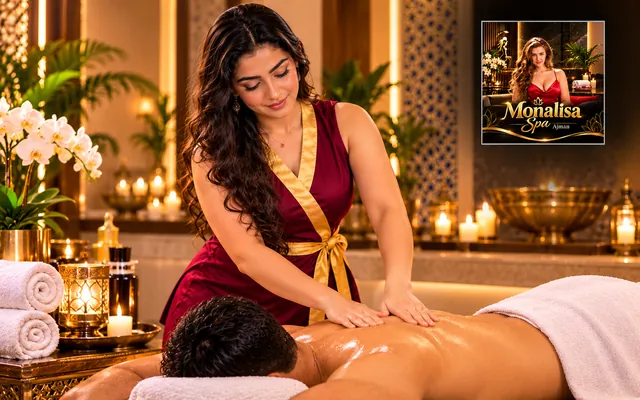
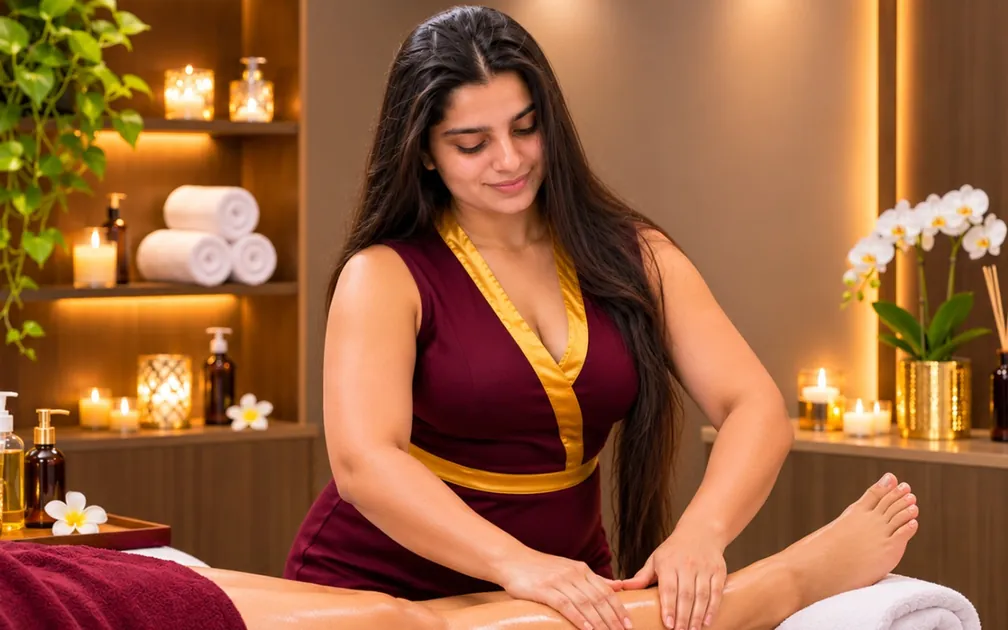
What is a Pakistani massage?
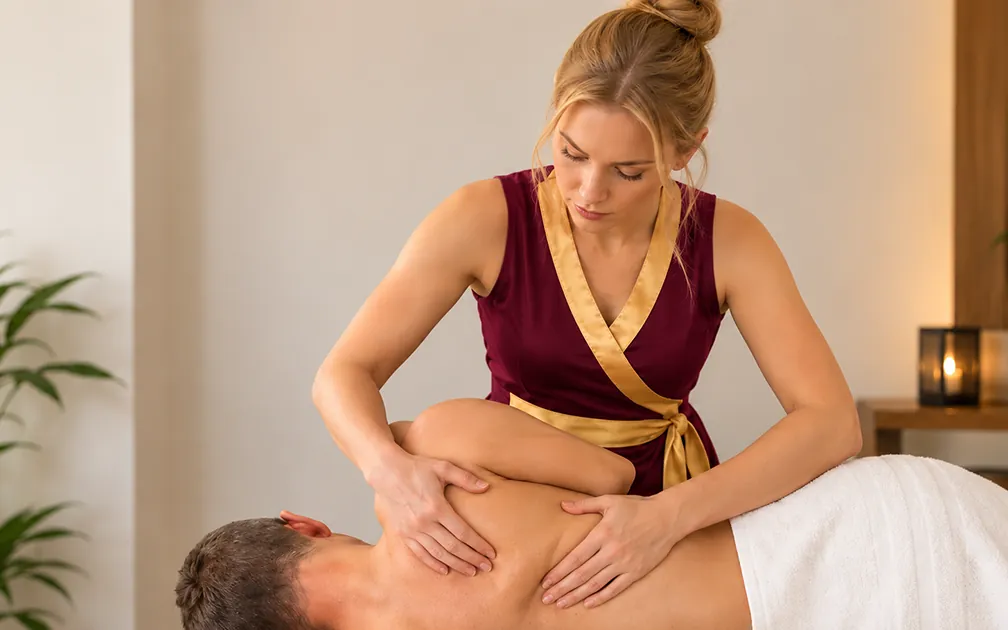
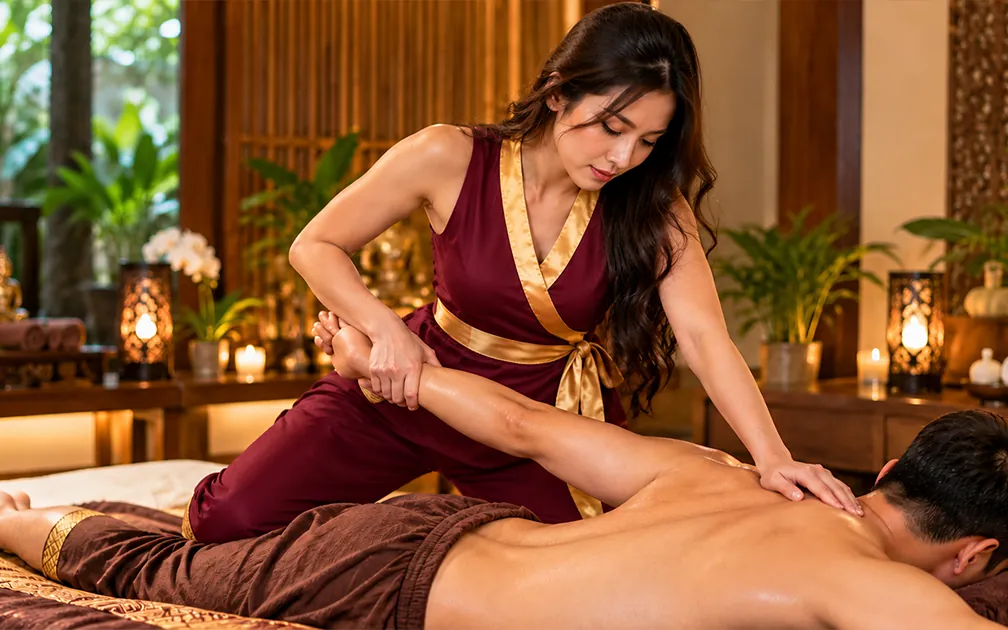
Pakistani massage is a strong, hands-on style, so you feel the therapist working properly into your muscles. It focuses on the places that carry your day, like the neck, shoulders, lower back and calves. Every therapist has their own rhythm, so tell them what you like. At Monalisa Spa, it is a relaxation massage, not medical care.
How it feels
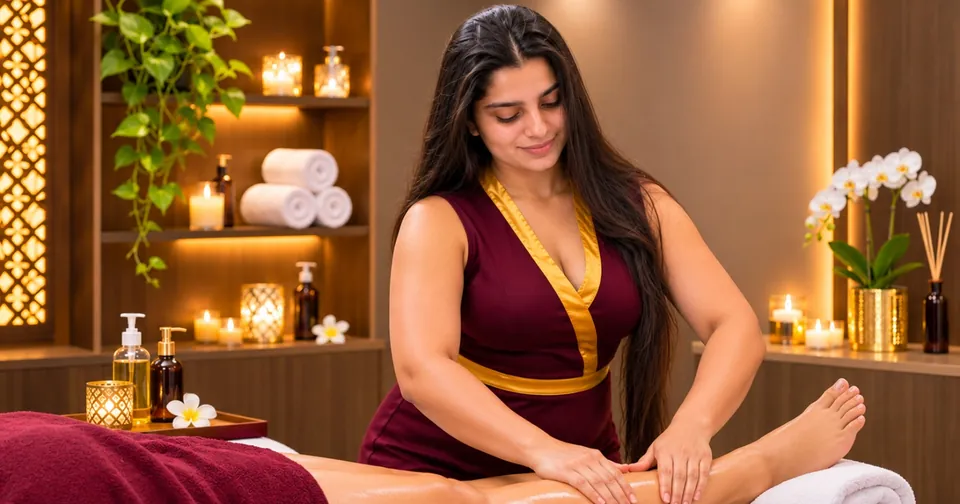
- Strong but comfortable: You feel the muscle working, then it starts to loosen up.
- Steady pressure: The therapist stays with a tight spot so it can slowly ease.
- Easy to adjust: Just say lighter or firmer, and the pressure changes.
- Oil if you like: Ask us about oil first, before you lie down.
Your hour, step by step
- Tell us where it hurts. Mention your sore spots, any allergies and how firm you like it.
- Back and shoulders. Strong, steady strokes come first, then firmer kneading on the knotted areas.
- Arms and hands. Then firm strokes run from shoulder to fingertips.
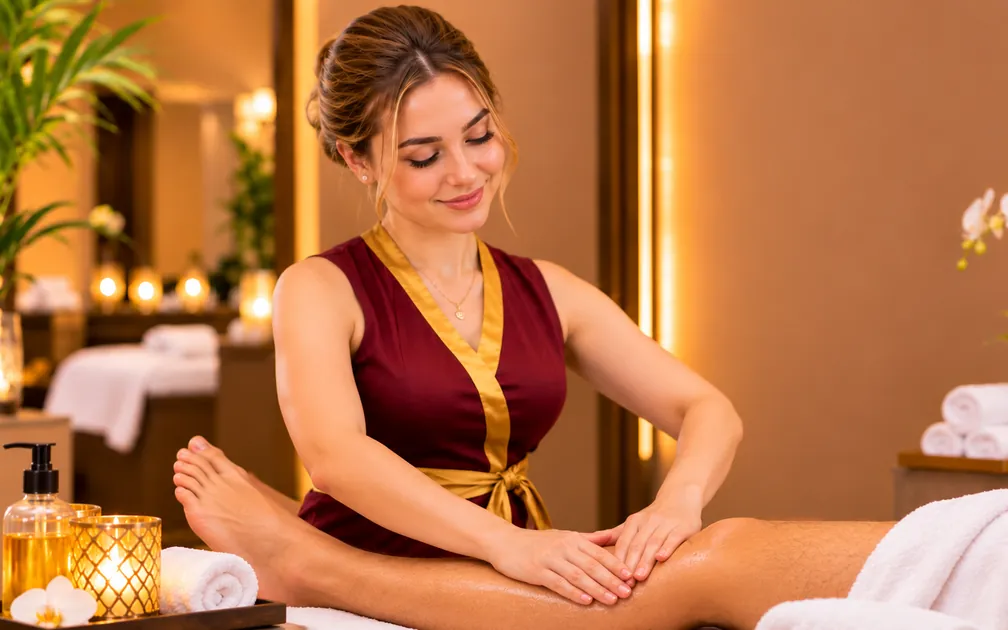
- Legs and feet. Next comes steady pressure on thighs and calves, then the feet. You turn over under the towel.
- Last few minutes. Lighter strokes finish the session, so you stand up comfortably.
If your lower back is the real problem, say so, and we will spend more time there.
Who enjoys Pakistani massage?
- Night-shift and long-hours workers: If you finish late, visit a Pakistani spa in Ajman that is open whenever you are free, even at 3 a.m.
- Drivers and desk workers: Hours behind a wheel or a desk leave your neck and back tight, and this style targets them.
- Guests who find light massage too gentle: You want real pressure, but not a slow deep tissue session or stretching.
Tell Your Therapist Where It Hurts
Before you lie down, tell the therapist how firm you like it. Then mention the spots that bother you most, like your neck, upper back or calves. A clear sentence helps the therapist get the pressure right from the start.
Pakistani, Thai or Deep Tissue?
| Feature | Pakistani | Thai | Deep Tissue |
|---|---|---|---|
| Feels like | Strong pressure, tight muscles | Clothed stretching | Slow deep pressure |
| Oil | Massage oil (ask us) | No oil | Neutral oil or cream |
| Pressure | Firm (adjustable) | Medium to firm | Firm (adjustable) |
| Pick it if | You want strong, steady pressure | You want assisted stretching | You want slow, deep work |
What massage can and cannot do
Many people choose strong massage when their muscles feel tight, and how it feels can differ from person to person. Massage can help you relax, but it does not cure pain or illness. That is why Monalisa Spa offers Pakistani massage for relaxation, not as medical care.
Precautions
Before your session, tell the therapist about any of the following, so you can decide together whether the treatment or some techniques should be skipped or changed:
- Allergies to nuts, seeds or any oils, as we'll check the oil options with you
- A recent injury, sprain, fracture or surgery in any area
- Neck or back problems, or numbness and tingling, as we'll ease the pressure
- Skin conditions, sunburn, bruising or broken skin
- Heart or blood-pressure conditions, blood thinners, or any condition for which your doctor has advised against massage
Before and after
- Before the session: If you come straight from a long night shift or drive, tell us which muscles feel worse today and how firm you want it.
- After the session: Drink water, and stand up slowly. If you feel light-headed or sore, wait a moment before driving. It is best to skip hard exercise and keep the next hour quiet.
Pakistani massage center in Ajman: a closer look
Pakistani massage works on the places where a hard day settles, like your back, shoulders, arms and legs. Techniques vary by therapist, so say which areas you want and how firm you like it.
- firm kneading across the tops of the shoulders and along the neck
- steady pressure along both sides of the spine
- strong strokes down the arms, wrists and hands
- firm work on the thighs and calves, if you'd like it
At Monalisa Spa, you can spend extra time on any of these areas within your hour, and we will plan around it.
Myths about Pakistani massage
- "It only works if it hurts." Firm pressure should feel strong, not sharp or painful, so tell the therapist if you tense up, hold your breath or wince.
- "Pakistani massage is a medical treatment." It is not. Monalisa Spa offers relaxation for tight muscles, not medical care or treatment for health conditions.
- "Soreness proves it worked." A little tenderness can happen afterwards, but sharp or lasting pain is not normal, so speak up straight away, not later.
Want Something Other Than Pakistani Massage? See Your Options
Maybe today you want a different feel. That is completely fine. Monalisa Spa in Al Nuaimia, Ajman has many ways to unwind.
Every treatment costs AED 99 for 60 minutes. So you can choose freely, with no price stress. Just think about how you want to feel when you leave.
- Aroma Fusion Massage: Flowing strokes with the essential oil you choose. Go for it if you want a light, scented hour.
- Moroccan Massage: Warm argan oil on your whole body. Go for it if you like medium pressure.
- Moroccan Bath: Steam, black soap and a scrub. Go for it if you want to feel fresh and clean.
- Relaxation Massage: Slow, gentle strokes. Go for it if you only want to switch off.
- Swedish Massage: Long strokes and light kneading. Go for it if you want a classic massage.
- Deep Tissue Massage: Firm, focused pressure on tight areas. Go for it if your shoulders or back feel stiff.
- Thai Massage: No oil, with assisted stretches. Go for it if your body feels tight.
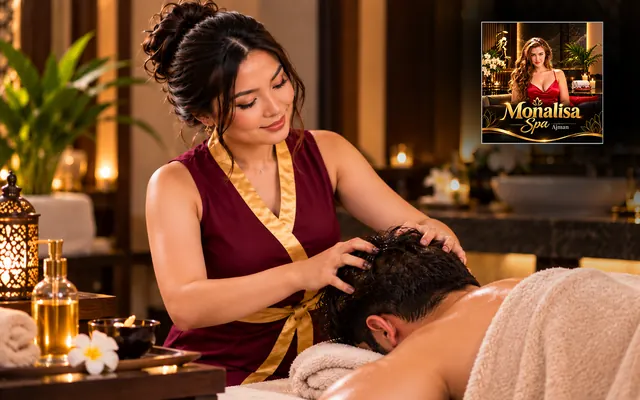
- Indian Massage: Warm oil with extra time on head, neck and shoulders. Go for it if your head feels heavy.
- Kerala Massage: Warm oil and steady, rhythmic strokes. Go for it if you want a calm, oily hour.
Book Pakistani massage in Al Nuaimia
Call or WhatsApp +971 52 404 3859, day or night, and tell us where you are tight. We are at 3 Al Nuaimia, Ajman, open 24/7. Mention any oil allergies or old injuries when you book.
Last updated: